Discover the Hidden Gems in Osaka
A vibrant city life, century-old culinary culture, and proximity to ancient capitals like Kyoto and Nara make Osaka a must-visit spot. But there's more to the country's "City of Water" than the ever-popular Universal Studios Japan or the Osaka Castle.
While visiting Osaka, stray from the mundane sightseeing and tourist activities to indulge in unique experiences handcrafted for your traveler's spirit. The city is a hotbed of various traditional and local activities that you may not get with the same authenticity elsewhere.
From learning ancient art forms to immersive cooking workshops, we have listed some of the best things to do in Osaka. So, let's begin!
Osaka Hidden Gems: Top 7 Offbeat Experiences
Put on Your Dancing Shoes with a Japanese Folk Dance
The origin of Bon Odori dance is steeped in Japan's cultural history. This 500-year-old traditional folk danceis part of "Obon" rituals where Buddhist families welcome, honor, and send off the spirits of their ancestors. It stems from the story of a disciple of Buddha who danced in joy after his offerings helped release his deceased mother's soul.
Over the years, the occasion has shed most of its religious importance and is now a festivity for friends and family reunions in late summer. People come together to clean their ancestors' graves and visit household altars.
Due to the clash between the lunar and Gregorian calendars, there are different timingsfor the Bon Odori dance. "Hachigatsu Bon", celebrated in August, is the most common time. Tokyo, Yokohama, and the rest of eastern Japan celebrate "Shichigatsu Bon" in July, while northern Kanto regions observe "Kyu Bon" in August-September.
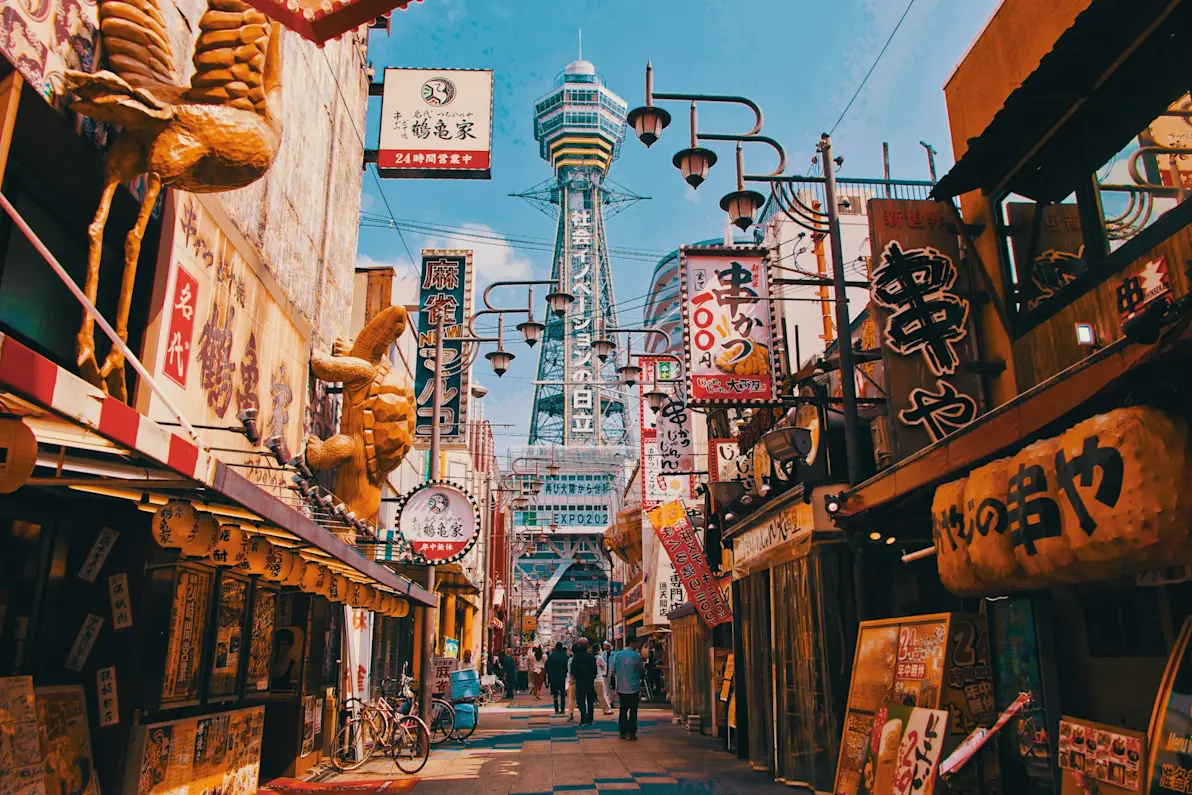
Sounds fascinating enough? Go off the beaten track and fall into step with your Bon Odori instructor at Ebisuza near Tsutenkaku Tower. Learn the basic rules, pick up the Samba-like rhythm, and dance away freely while sipping your complimentary tea, coffee, or alcohol.
Price: SGD 55-60 per person
Address: 1-chōme-3-13 Ebisuhigashi, Naniwa Ward, Osaka, 556-0002, Japan (Map)
Learn How to Create Japanese Ceramics
Japan boasts of a long and decorated history of ceramic work, dating back to the Jomon period in 10,500-300 BC. To date, the rustic earthenware of Japan, with a rough finish and earthy palettes, is intrinsic to the core principles of wabi-sabi, a Japanese concept of finding the beauty in all that is "imperfect, impermanent, and incomplete" in nature.
Take an Osaka pottery class and learn how to make Japanese ceramics and earthenware from scratch. Follow simple instructions given in detail in English, Spanish, Japanese, or Catalan, and get your hands dirty and muddy with clay as you give them shape and form.
Also learn about local and traditional Japanese gastronomy, cutlery culture, and hospitality rituals as you busy yourself with pottery. Pick what you would love to make - a chawan or a tea bowl, a sushi set comprising of a dish and a chopstick rest, and a set of sake. You can take what you make back with you as a souvenir.
As a bonus, get to see and sit in a typical Osaka house from before the Second World War era, made exclusively of wood and clay.
Price: SGD 93-95
Address: 2-chōme-7-17 Ikunohigashi, Ikuno Ward, Osaka, 544-0025, Japan (Map)
Master the Art of the Katana
Thanks to anime, video games, and other forms of media, the Japanese katana has seen a resurgence in popularity. Its history originally goes back to the early Heian period, but katanas became every ninja and samurai's trusted choice of weapon when the nature of feudal warfare changed from traditional wars to close-range combats. It was also a symbol of their dignity and honour.
Katanas were shorter than the conventional longswordand came with sharp edges and resistant steel, therefore being perfect for quick draws and easy cuts. Both smithing and wielding of the katana sword died down after their use was restricted to the official military personnel and police. But their legacy remains alive in the stories and fables of Japan.
Want to taste a slice of Japanese history?
Learn to hold this traditional weapon, practice katana strikes for multiple combat moves, take videos of your mock battle practices, and finish with how to sheath a katana after warfare from a professional instructor. Dress up in a kimono hakama or samurai armor before you start your roleplay.
Price: SGD 110
Address: 1-chōme-1-27 Kitahorie, Nishi Ward, Osaka, 550-0014, Japan (Map)
Discover Japanese Tea Blending Techniques
Blending is a well-hidden practice of Japan's tea culture that is the secret sauce in many delectable brews.
In Japan, tea is everywhere. From savouring a cup of matcha (green tea) at a Zen garden to finishing off your sushi spread with a kocha (black tea), it is an intrinsic part of the country's gastronomy. Once a luxury product imported from China, Japan now has its varieties through experimentation and customised blending.
Genmaicha, a blend of green tea and roasted brown riceis a world-renowned blend from Japan.
Visit an Osaka tea workshop to learn about the unique blending techniques that elevate the taste of Japanese tea. Put tried and tested methods into use with local sencha, wakocha, matcha, and hojicha tea leaves and a traditional iron kettle and come up with mouthwatering brews.
Add syrups, spices, alcohol, and other accompaniments as instructed. Also, learn about specific details like brewing temperature, technique, tools, and history. Finally, get to taste the lovely beverages you brewed with your own hands.
Price: SGD 70
Address: 3-chōme-4-16 Motomachi, Naniwa Ward, Osaka, 556-0016, Japan (Map)
Partake in a Tea Ceremony Experience in Osaka
A Japanese tea ceremony is more than just a cultural activity. This age-old ritual reflects wabi-sabi ideals, elevating hospitality to the status of an art form. Known as sado or chado, the traditional ceremony involves partaking in preparing, serving, and enjoying green matcha tea.
The ceremony typically takes place in a tearoom with conventional sliding doors and tatami floors. Often held at cultural centers, hotels, and Zen gardens, the tea ceremony is not just about making and drinking the beverage but also about a bond between the host and the guests. In a sense, it is a microcosm of Japan's "omotenashi", which means to take care of the guests wholeheartedly.
Be a part of one such tranquil, intimate tea ceremony Osaka has to offer in Dotonbori, the center of the city's Shinsaibashi district. Take a break from a whirlwind itinerary to sit down, unwind, and soak in the ambiance of a Japanese tea ritual.
Follow the instructor to brew the perfect cup of matcha using the right tools and techniques and enjoy your beverage with a traditional Japanese sweet, locally called wagashi.
Price: SGD 30-35 per session
Address: 1 Chome Dotonbori, Chuo Ward, Osaka, 542-0071, Japan (Map)
Make Soba Noodles in a Temple
Made of buckwheat flour, the grainy, ashen-brown soba noodles are an absolute favorite of the Japanese. From street hawkers to high-end restaurants, soba noodles topped with vinegar and soy sauceor dipped in a hot soup are a staple eating-out choice in the country.
Alongside being a hearty meal, the long, slurpy strands of soba hold a special place in Japanese culinary heritage. They represent longevity, tenacity, and prosperity. "Toshikoshi" soba is often consumed with friends and family on New Year's Eve to let go of past strugglesand welcome a fresh start.
Because of its significance and popularity, hands-on soba-making has long been a loved cultural activity among travelers. Experience one such soba-making class in Osakawithin the tranquil premises of a temple.
Savor the pure joy of kneading buckwheat flour with water with your hands, making the dough, rolling it out, and hand-cutting the sheet of flour into thin strands of noodles that would be boiled in salt water. Beware of any buckwheat allergy you may have and inform the instructor beforehand.
Price: SGD 95
Address: 1-chōme-3-68 Shitaderamachi, Tennoji Ward, Osaka, 543-0076, Japan (Map)
Join a Class to Make Temari Japanese Embroidered Balls
Temari balls are a lovely and colorful Japanese folk art form introduced around the 7th century due to Chinese influences. They are generic handballs that are made aesthetically and artistically more pleasing by covering them up with embroidered textiles.
Originally, Temari balls used to be made up entirely of cloth. The ladies of the house would cut up old kimonos and wad up pieces of silk and cotton fabric to make balls for their children to play with. Eventually, with industrialisation and the import of regular rubber balls, Temari balls became a rare and treasured form of art.
Want to know more about Japan's age-old forms of artistry? Learn how to make a Temari ballat an exclusive embroidery class in Osaka. Pick plant-dyed threads in your favourite shade and stitch away in a 2-hour workshop.
Learn the traditional patterns "kiki kagari" or chrysanthemum stitch and "Matsuba kagari" or pine-needle stitch.
Price: SGD 50 per person
Address: 1-chōme-1-3 Higashishinsaibashi, Chuo Ward, Osaka, 542-0083, Japan (Map)
Wrap Up a Perfect Stay in Osaka
Add the aforementioned experiences to your trip to make it one worth remembering. Don't limit yourself to what every other run-of-the-mill itinerary plans for you and see Osaka through the lens of a local with Pelago's handpicked list of hidden gems.
Frequently asked questions
How can I have fun in Osaka?
Book yourself several cultural experiences like the traditional Japanese tea ceremony or attend cooking classes to learn authentic recipes.
Where do locals go in Osaka?
Locals like to visit the Namba and Dotombori areas for shopping and Orange Street for hip cafes and pubs. Katsuo-ji Temple, Minoh Falls, Mount Koya, and Hoshi No Buranko are some excellent nearby locations that are off the beaten track.
What is the best part of Osaka?
The Minami area, which includes Namba, Shinsaibashi, and Dotombori regions, is the best play to stay on your visit to Osaka. Kita, Tennoji, and Honmachi areas are also very good choices.
How much is the tea ceremony in Osaka?
A Japanese tea ceremony can cost anywhere between SGD 20-50 in Osaka. The price will depend on the venue as well as the package you are buying. If the ceremony includes a full meal or kimono renting, it will cost more.
What is Japanese bon odori?
Bon Odori is an ancient Japanese folk dance performed during "Obon", a Buddist ritual to honor the ancestors of one's family. It is usually observed and performed during August-September.